What is The Purpose of A Braces Color Wheel in Orthodontic Treatment?
Orthodontic treatment, with its myriad of options and strategies, aims to achieve optimal dental alignment and enhance aesthetics for patients. Among the various components of orthodontic care, the braces color wheel stands out as a unique and customizable aspect that not only adds a touch of personalization but also serves practical purposes. In this article, we delve into the significance of the braces color wheel in orthodontic treatment, exploring its role, impact, and relevance in the context of modern orthodontic practices.
Understanding the Braces Color Wheel:
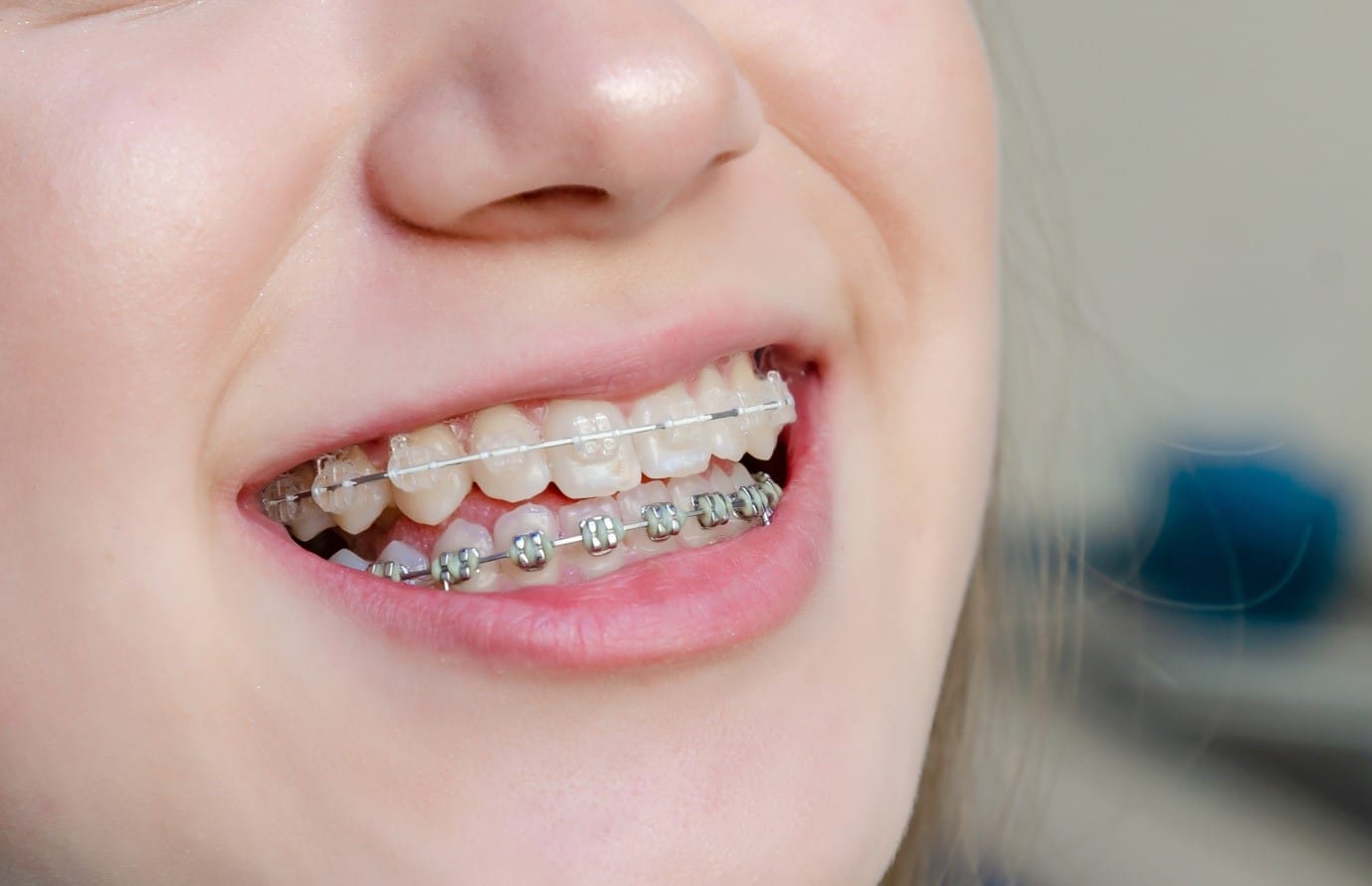
The braces cost miami, often displayed prominently in orthodontic offices, presents patients with a spectrum of color options for the elastic bands that secure braces to the teeth. These bands, also known as ligatures, are crucial components of braces, exerting pressure to gradually shift teeth into proper alignment. While traditionally composed of metal, modern braces offer a range of materials, including ceramic and clear brackets, enhancing aesthetics and comfort for patients.
Personalization and Patient Engagement:
One of the primary purposes of the braces color wheel is to empower patients by allowing them to personalize their orthodontic experience. By selecting colors that resonate with their personality, preferences, or current trends, patients can feel more engaged and invested in their treatment journey. This level of customization fosters a sense of ownership and enthusiasm, which can positively impact patient compliance and satisfaction throughout the treatment process.
Psychological Impact and Emotional Well-being:
Beyond its practical function, the braces color wheel holds significant psychological implications for patients, particularly adolescents and young adults. Orthodontic treatment, while beneficial in the long term, can initially evoke feelings of self-consciousness or insecurity due to the visible nature of braces. However, the ability to choose colors empowers patients to embrace their orthodontic journey as a form of self-expression, boosting confidence and self-esteem during this transitional phase of life.
Facilitating Communication and Education:
The braces color wheel serves as a valuable tool for orthodontists in facilitating communication and education during consultations. By involving patients in the color selection process, orthodontists can establish rapport, gain insights into patient preferences, and address any concerns or expectations effectively. Furthermore, discussing the significance of color choices in relation to treatment progress and oral health goals enhances patient understanding and compliance, fostering a collaborative approach to orthodontic care.
Clinical Significance and Treatment Monitoring:
From a clinical perspective, the braces color wheel aids orthodontists in monitoring treatment progress and identifying potential issues. Changes in color intensity or pattern during routine adjustments can indicate variations in elastic band wear, highlighting areas of increased friction or potential alignment challenges. This visual feedback enables orthodontists to make timely adjustments and interventions, optimizing treatment outcomes and minimizing the risk of complications.

Cost Considerations and Financial Accessibility:
While the braces color wheel enhances the orthodontic experience for many patients, it's essential to address cost considerations and financial accessibility. Orthodontic treatment, including the selection of colored elastic bands, entails associated expenses that may vary depending on factors such as location, provider, and treatment complexity. In regions like Miami, where the cost of living and healthcare services can be higher, patients may encounter additional financial considerations when opting for customized braces options.
Navigating Cultural and Societal Influences:
Incorporating the braces color wheel into orthodontic practices involves navigating cultural and societal influences that shape patient preferences and expectations. Different cultures may attach varying levels of significance to color symbolism, impacting the choices patients make regarding their braces colors. Orthodontists must be culturally competent and sensitive to these nuances, ensuring that patients feel respected and supported in their choices while adhering to professional standards and clinical guidelines.
Technological Advancements and Future Directions:
Looking ahead, technological advancements in orthodontics continue to revolutionize treatment approaches and patient experiences. Innovations such as 3D printing and digital scanning offer unprecedented levels of precision and customization, potentially influencing the evolution of the braces color wheel. Future iterations may incorporate augmented reality or digital simulations, allowing patients to preview different color combinations before making their selections. Additionally, research efforts focused on biocompatible materials and sustainable practices may inform the development of eco-friendly alternatives for orthodontic appliances, including colored elastic bands.
Conclusion:
In conclusion, the braces color wheel serves as a multifaceted tool in orthodontic treatment, encompassing aspects of personalization, patient engagement, clinical significance, and cultural considerations. By understanding its role and impact, orthodontists can harness the potential of the braces color wheel to enhance patient experiences, improve treatment outcomes, and foster a collaborative partnership between patients and providers. As orthodontic practices continue to evolve, embracing technological advancements and cultural diversity, the braces color wheel remains a symbol of creativity, empowerment, and individuality within the field of orthodontics.


Comments
Post a Comment