The Advantages of Getting Braces for an Underbite: What You Need to Know
Are you considering braces to correct an underbite? You’re not alone. Many people seek orthodontic treatment to improve their dental health and achieve a beautiful smile. But what exactly are the benefits of getting braces for an underbite? Let’s delve into the key advantages and what you should expect during the process.
Improved Oral Health
One of the most significant advantages of getting braces for an underbite is the improvement in oral health. An underbite, where the lower teeth protrude beyond the upper teeth, can lead to various dental problems if left untreated. Braces help to correct this misalignment, reducing the risk of tooth decay, gum disease, and other oral health issues.
Preventing Tooth Decay and Gum Disease
When teeth are misaligned, it’s harder to clean them properly. Food particles and plaque can get trapped in the crevices, leading to cavities and gum disease. By aligning your teeth correctly with braces, you make it easier to maintain good oral hygiene. This means fewer cavities and a lower risk of periodontal disease.
Reducing Jaw Pain and Dysfunction
An underbite can cause jaw pain and dysfunction, leading to discomfort while eating, speaking, or even at rest. Braces can help realign your bite, reducing strain on your jaw muscles and joints. This can alleviate pain and prevent more serious temporomandibular joint (TMJ) disorders.
Enhanced Aesthetics and Confidence
Another compelling reason to consider braces for an underbite braces is the aesthetic improvement. A misaligned bite can affect the symmetry of your face, impacting your self-esteem. Correcting an underbite can enhance your overall appearance, boosting your confidence.
Achieving a Harmonious Facial Structure
Braces can significantly alter the alignment of your teeth and jaw, leading to a more balanced and harmonious facial structure. This can improve your profile and make your smile more attractive, contributing to a better self-image.
Building Self-Esteem
Many people with underbites feel self-conscious about their appearance. By correcting the underbite, braces can help individuals feel more confident in social and professional settings. This boost in self-esteem can positively impact various aspects of life, from personal relationships to career opportunities.

Long-Term Dental Stability
Getting braces for an underbite not only provides immediate benefits but also contributes to long-term dental stability. Properly aligned teeth are less likely to shift over time, ensuring that your bite remains stable and functional.
Preventing Future Dental Issues
By addressing an underbite early with braces, you can prevent future dental issues that might require more complex and costly treatments. Proper alignment reduces wear and tear on your teeth, decreasing the likelihood of fractures and other dental problems.
Maintaining Results with Retainers
After braces, wearing retainers as recommended by your orthodontist helps maintain the results. This ensures that your teeth stay in their new, corrected positions, providing long-lasting benefits for your oral health and appearance.
Improved Functionality
Beyond aesthetics and health, braces also enhance the functionality of your teeth. An underbite can affect your ability to chew and speak properly. Correcting this issue with braces can lead to significant improvements in these areas.
Better Chewing Efficiency
When your teeth are misaligned, chewing can become inefficient and uncomfortable. Braces help to align your teeth correctly, allowing you to chew food more effectively. This can improve digestion and overall health, as properly chewed food is easier for your body to process.
Clearer Speech
An underbite can also impact your speech, causing difficulties with pronunciation and articulation. By correcting the alignment of your teeth and jaw, braces can help you speak more clearly and confidently.
Understanding the Braces Process
If you’re considering getting braces for an underbite, it’s essential to understand the process. Knowing what to expect can help you prepare mentally and physically for the journey ahead.
Initial Consultation and Evaluation
The first step in getting braces is an initial consultation with an orthodontist. During this visit, the orthodontist will evaluate your teeth, jaw, and bite to determine the best course of treatment. This might include taking X-rays, photographs, and dental impressions.
Treatment Planning
After the evaluation, your orthodontist will develop a customized treatment plan. This plan will outline the type of braces that will be used, the estimated duration of treatment, and any other necessary procedures. Understanding your treatment plan can help set realistic expectations and prepare you for the road ahead.
Applying the Braces
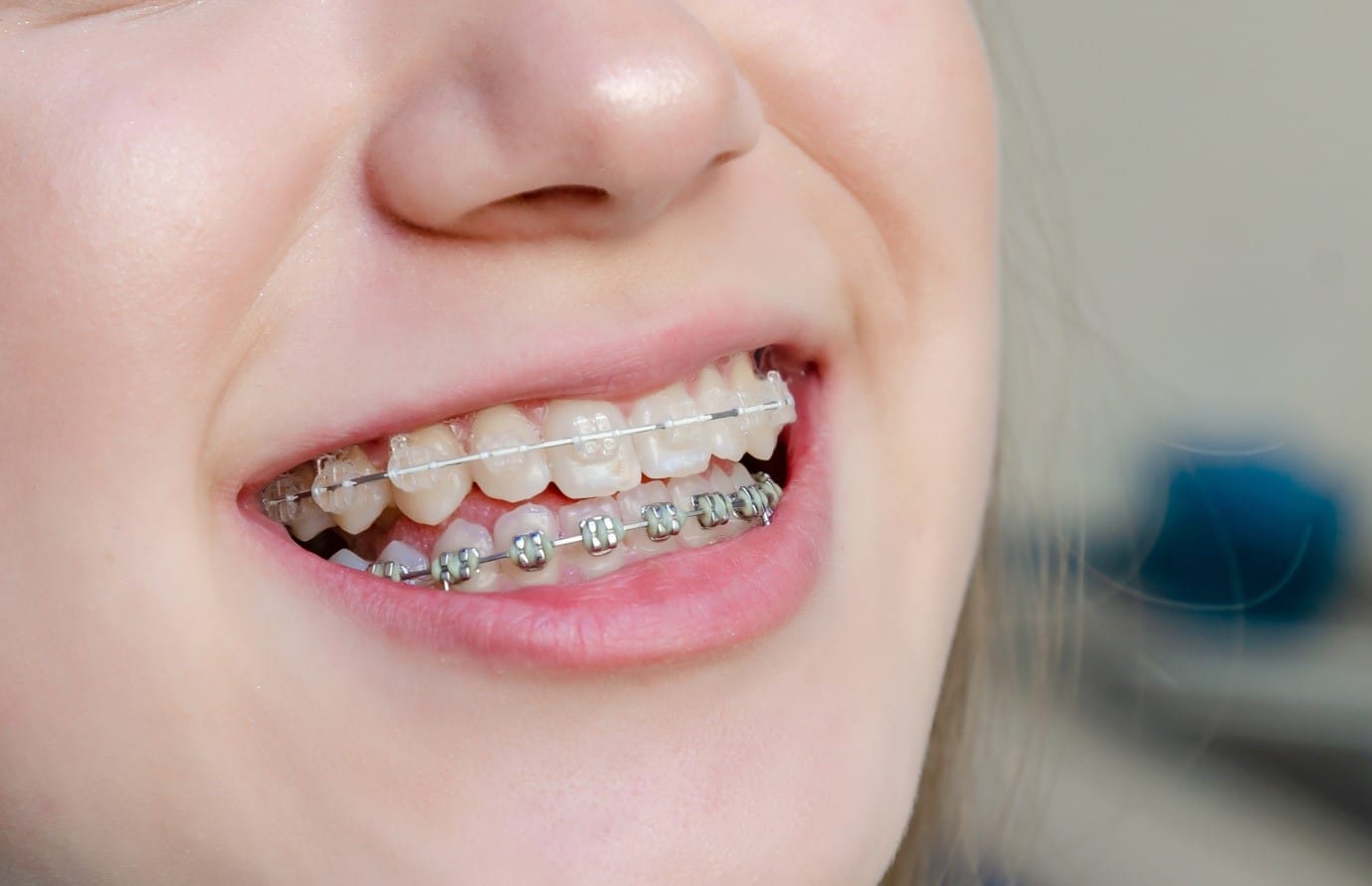
Once the treatment plan is finalized, the next step is applying the braces. This process involves attaching brackets to your teeth and connecting them with wires. The orthodontist will adjust these wires periodically to gradually move your teeth into the desired position.
Regular Adjustments and Monitoring
Throughout your treatment, you’ll need to visit your orthodontist regularly for adjustments and monitoring. These visits are crucial to ensure that your teeth are moving correctly and to make any necessary changes to your treatment plan.
Completing Treatment and Retention
Once your teeth have moved into their correct positions, the braces will be removed. This is an exciting milestone, but the journey doesn’t end here. To maintain your new smile, you’ll need to wear a retainer as directed by your orthodontist. This helps keep your teeth in place and prevents them from shifting back to their original positions.
Different Types of Braces
There are various types of braces available, each with its own set of benefits. Your orthodontist will recommend the best option based on your specific needs and preferences.
Traditional Metal Braces
Traditional metal braces are the most common type and are highly effective for correcting underbites. They consist of metal brackets and wires that gradually move your teeth into place. While they are visible, they are also durable and provide excellent results.
Ceramic Braces
Ceramic braces function similarly to metal braces but are made from clear or tooth-colored materials, making them less noticeable. They are a popular choice for individuals who want a more discreet option.
Lingual Braces
Lingual braces are attached to the back of your teeth, making them virtually invisible from the front. They are an excellent choice for those who are concerned about the appearance of traditional braces but require effective treatment for their underbite.
Clear Aligners
Clear aligners, such as Invisalign, are a modern alternative to traditional braces. These custom-made, removable trays gradually shift your teeth into the correct position. They are nearly invisible and can be removed for eating and cleaning, offering a high level of convenience and aesthetics.
The Importance of Compliance
Successful orthodontic treatment requires a high level of compliance from the patient. Following your orthodontist’s instructions is crucial to achieving the best possible outcome.
Maintaining Oral Hygiene
Keeping your teeth and braces clean is essential to prevent cavities and gum disease during treatment. This involves regular brushing, flossing, and using special tools to clean around the brackets and wires.
Wearing Retainers
After your braces are removed, wearing a retainer as prescribed is vital to maintain the results. Skipping this step can lead to teeth shifting back to their original positions, undoing the progress made during treatment.
Cost Considerations and Insurance
The cost of getting braces for an underbite can vary widely based on the type of braces and the complexity of your case. It’s important to consider your budget and explore financing options.
Understanding the Costs
Traditional metal braces are typically the most affordable option, while ceramic braces, lingual braces, and clear aligners tend to be more expensive. Your orthodontist can provide a detailed breakdown of costs during your consultation.
Insurance and Financing
Many dental insurance plans cover a portion of the cost of braces, especially if they are deemed medically necessary to correct an underbite. It’s essential to check with your insurance provider to understand your coverage. Additionally, many orthodontic offices offer financing plans to make treatment more affordable.
Conclusion: Is Getting Braces for an Underbite Worth It?
In summary, the advantages of getting braces for an underbite are numerous and far-reaching. From improved oral health and enhanced aesthetics to better functionality and long-term dental stability, braces offer a comprehensive solution to this common dental issue. Understanding the process, maintaining compliance, and considering the costs are crucial steps in making an informed decision.
If you’re struggling with an underbite, consulting with an orthodontist can provide you with the guidance and treatment options you need. Correcting your underbite with braces can lead to a healthier, more confident, and functional smile that lasts a lifetime. Don’t hesitate to take the first step towards a better you by exploring the benefits of braces for an underbite.


Comments
Post a Comment